

Police have begun using live facial recognition in Cambridge city centre for the first time, allowing officers to scan faces passing cameras and compare them against a watchlist of wanted individuals.
Live facial recognition, or LFR, uses cameras to capture faces in real time. Software measures facial features, converts them into a biometric template and compares it against images on a police watchlist. If the system identifies a possible match, an officer reviews the images before deciding whether to approach the person.
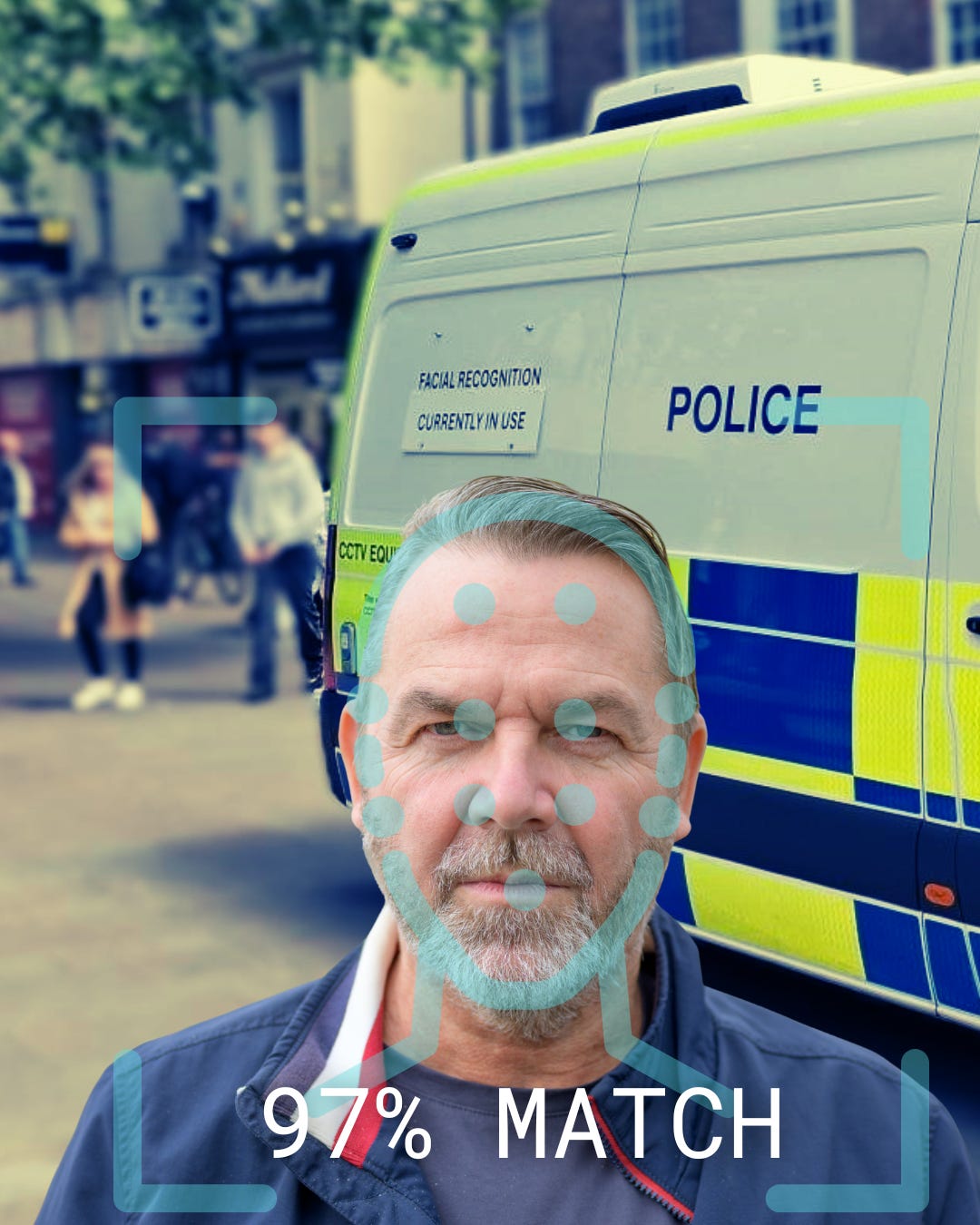
Cambridgeshire Police says its watchlists include people wanted for criminal offences, those with outstanding warrants, and high-risk offenders subject to court-imposed requirements. Images and biometric data of people who do not generate an alert are automatically deleted. Police delete images linked to an alert immediately after use or within 24 hours.
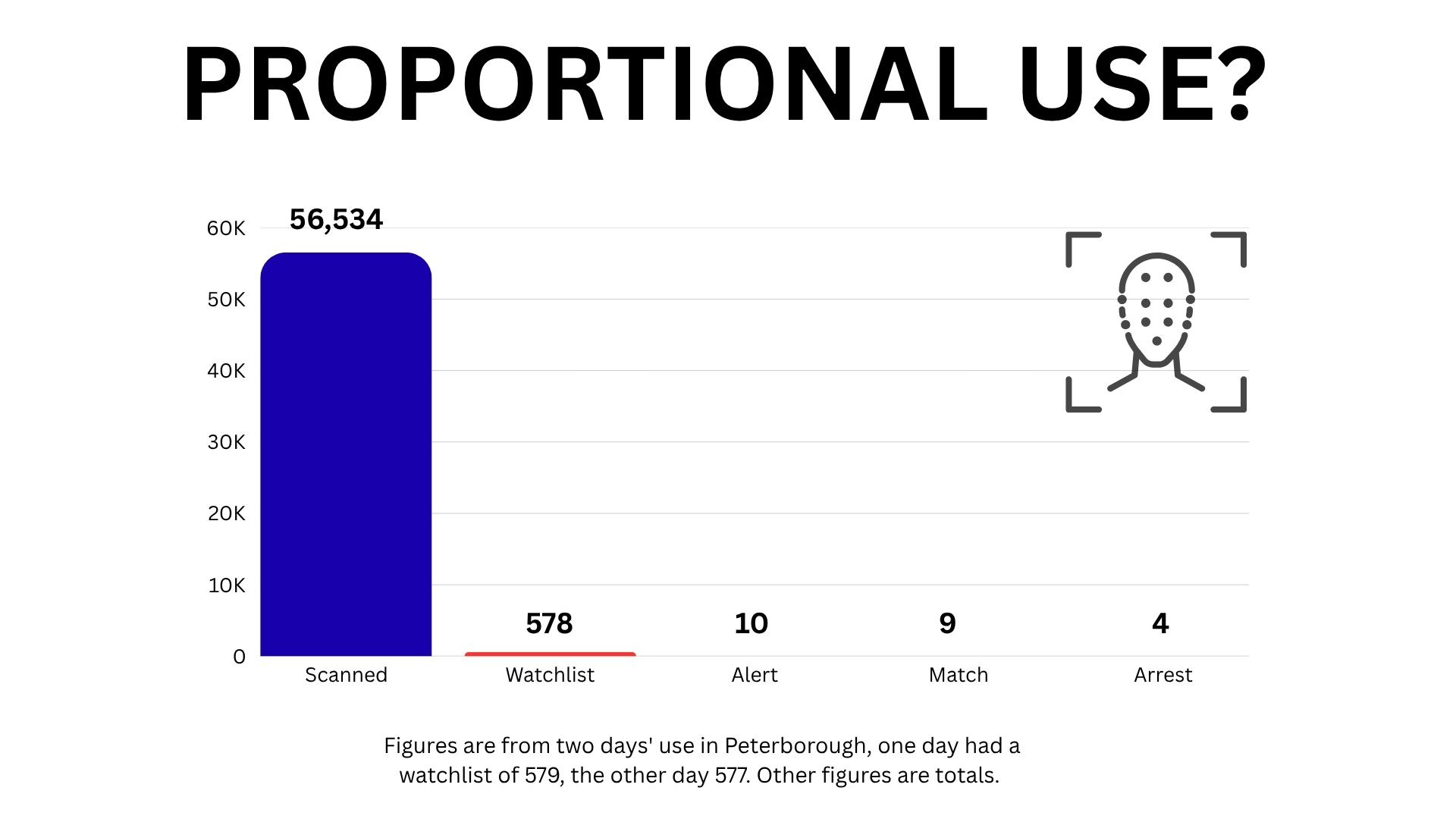
The scale of previous deployments indicates how the technology may be used in Cambridge. During two six-hour operations in Peterborough in May and June, police scanned 56,534 faces. The watchlists contained 579 and 577 people respectively. Ten alerts were generated, nine were confirmed as matches, and the deployments resulted in four arrests or other disposals. Police recorded no confirmed false alerts.
Sergeant Luke Charlton, from the Cambridge neighbourhood team, said the technology allowed police to locate people wanted by the courts or linked to offences more quickly.

“We understand people may have questions about how the technology works,” he said, adding that officers would be available during deployments to explain the system and its safeguards.
What are your rights?
The arrival of LFR means people walking through Cambridge city centre may have their faces scanned even if not suspected of an offence.
No specific Act of Parliament currently governs facial recognition technology. Police rely on existing common-law powers, but deployments must comply with data protection, human rights, and equality laws and be necessary and proportionate. The Home Office says forces must also inform the public when LFR is operating, for example through signs around the deployment area.
Civil liberties organisation Liberty says people are generally entitled to avoid the cameras. Police have no general power to require someone to make their face available for facial recognition scanning.
That means a person can normally turn away, take another route, or cover their face. Simply avoiding an LFR camera is not, by itself, grounds for arrest or stop and search. Exceptions include cases where police have authorised powers to remove face coverings.
People should not physically obstruct or damage the cameras, which could be a criminal offence.
If facial recognition identifies someone, that does not remove their normal rights. Police must still have appropriate legal grounds for any stop and search or arrest. In most cases, someone approached for questioning is not required to answer and can ask if they are being detained.
Anyone wrongly identified must also be allowed to establish that they are not the person police are seeking.
Why is facial recognition controversial?
Police argue that LFR lets officers locate wanted people much faster than conventional policing. The Home Office says independent testing found settings in which the technology showed no statistically significant difference in identification performance by age, sex or ethnicity, with an 89 per cent probability of correctly identifying somebody on a watchlist.
But the Government’s own guidance acknowledges concerns about privacy, false identification, and the potential for some facial recognition systems to perform differently by race or sex.
The system’s accuracy also depends partly on a threshold police select. Lowering that threshold makes the system more likely to generate potential matches, but also increases the likelihood of incorrectly identifying somebody who is not on the watchlist. Raising it reduces false alerts but increases the possibility that a wanted person will pass undetected.
Campaign group Big Brother Watch opposes the use of LFR altogether, arguing that scanning people who are not suspected of wrongdoing amounts to indiscriminate biometric surveillance. Their FAQs can be found here.

Cambridge is part of a much wider expansion of the technology. By May this year, The Guardian reported that 13 police forces in England and Wales had used LFR, scanning more than 1.7 million faces. The Guardian
For people passing through Cambridge, the immediate change is simpler: walking past a police camera can now mean having your face converted into biometric data and checked against a police watchlist, but you generally retain the right to avoid being scanned.